
Sleep is non-negotiable for mental and physical health — and a quiet room is only half of it. The colour, intensity and placement of light directly shape how easily we fall asleep, which means bedroom lighting deserves functional thought, not just aesthetic choice.
What light does to the body
Our circadian rhythm is set by light. Harsh, cool sources with a strong blue component stimulate the brain at night and suppress melatonin — the falling-asleep hormone. The rule of thumb is simple: bright and natural by day, soft and warm by night.
The bedroom plan
The most common mistake at home is lighting every room the same way. A bedroom is an evening space, and its plan should say so:
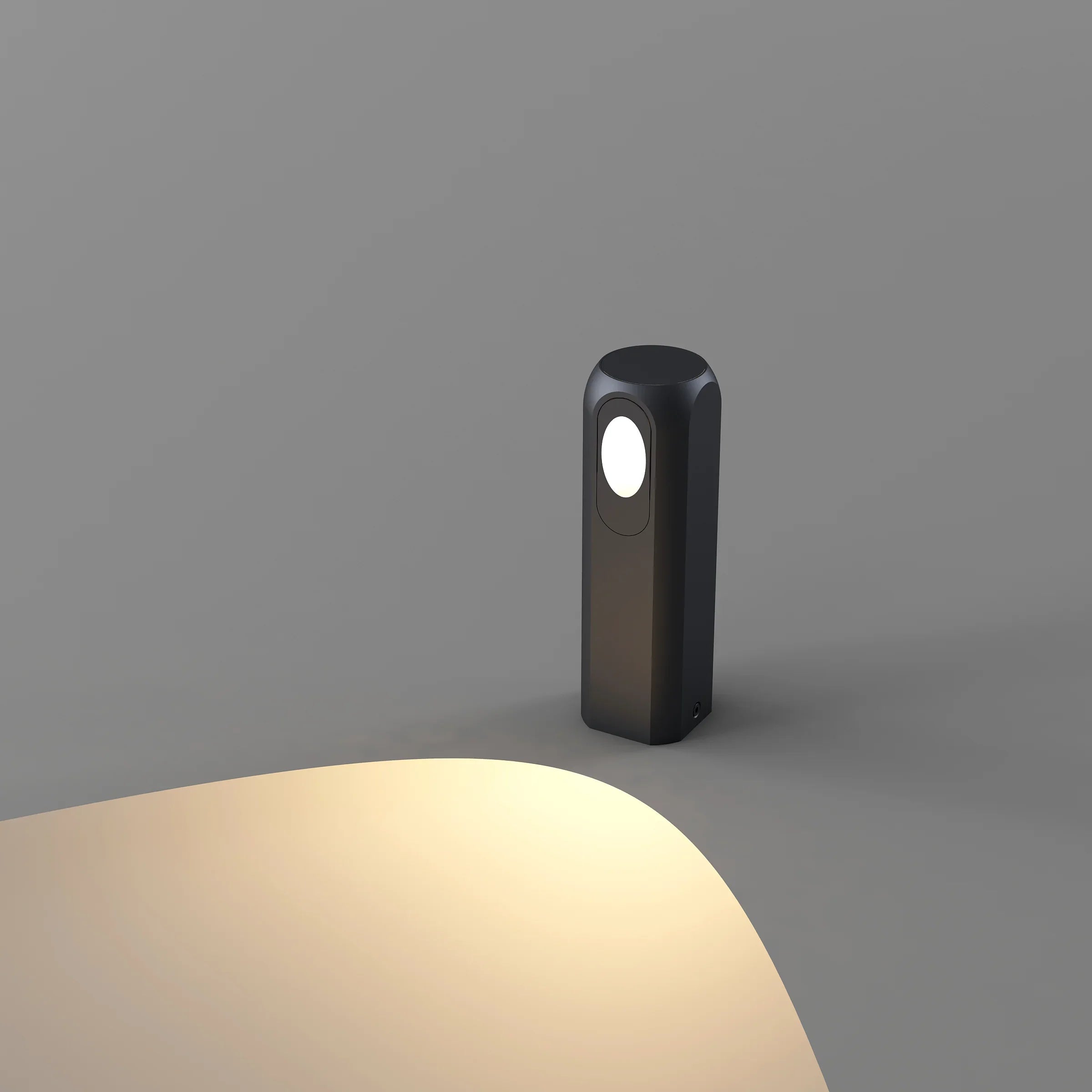
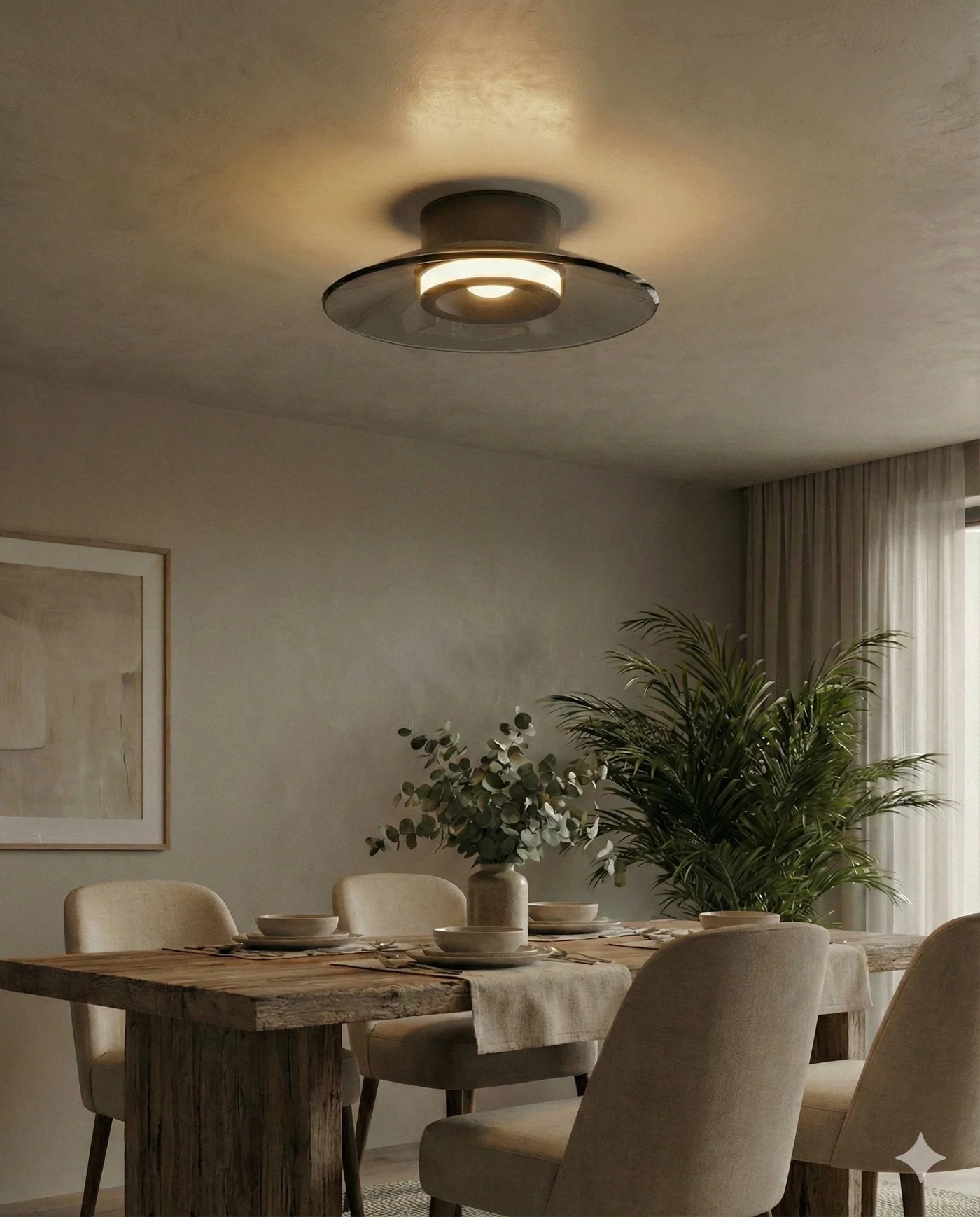
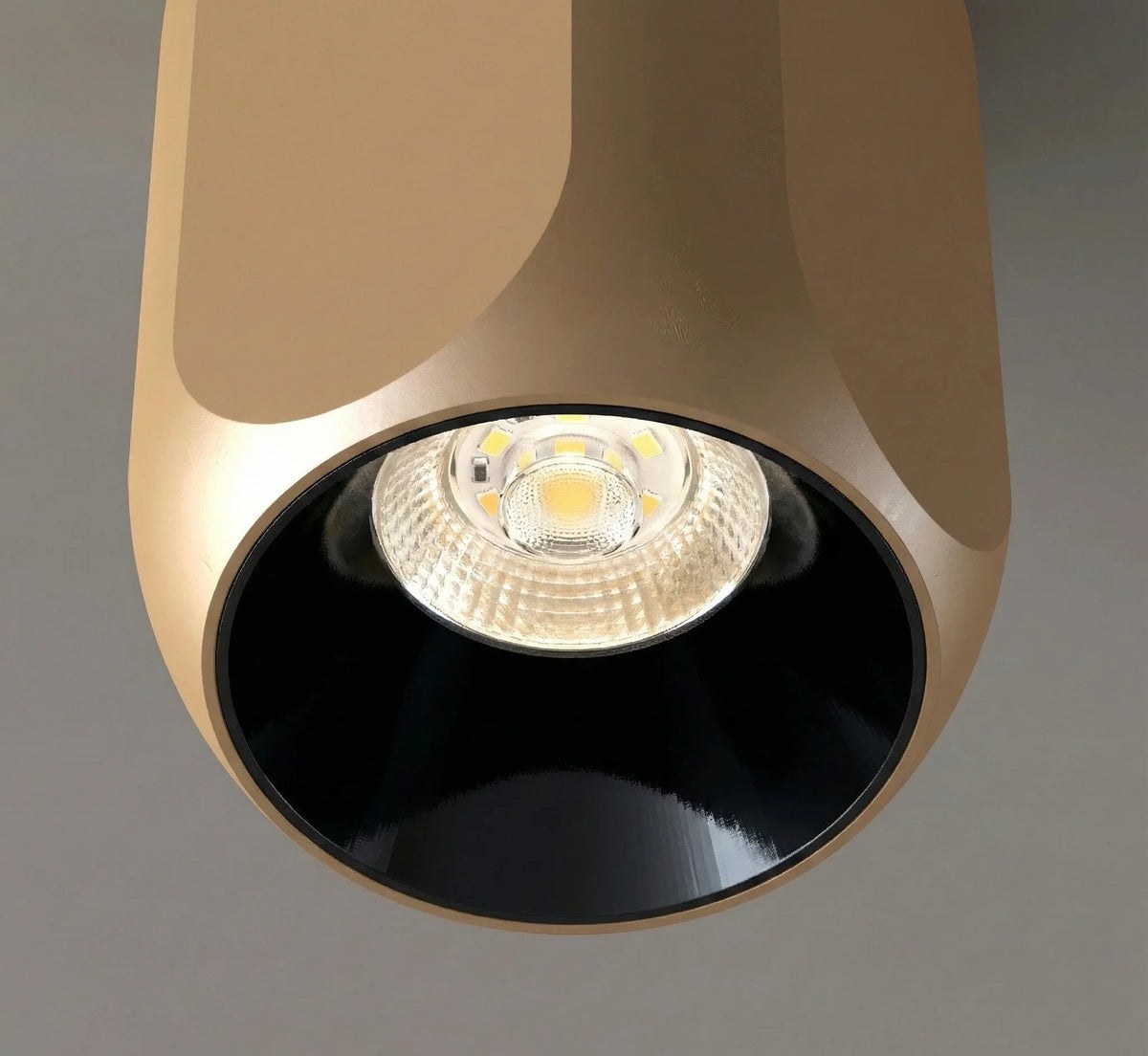
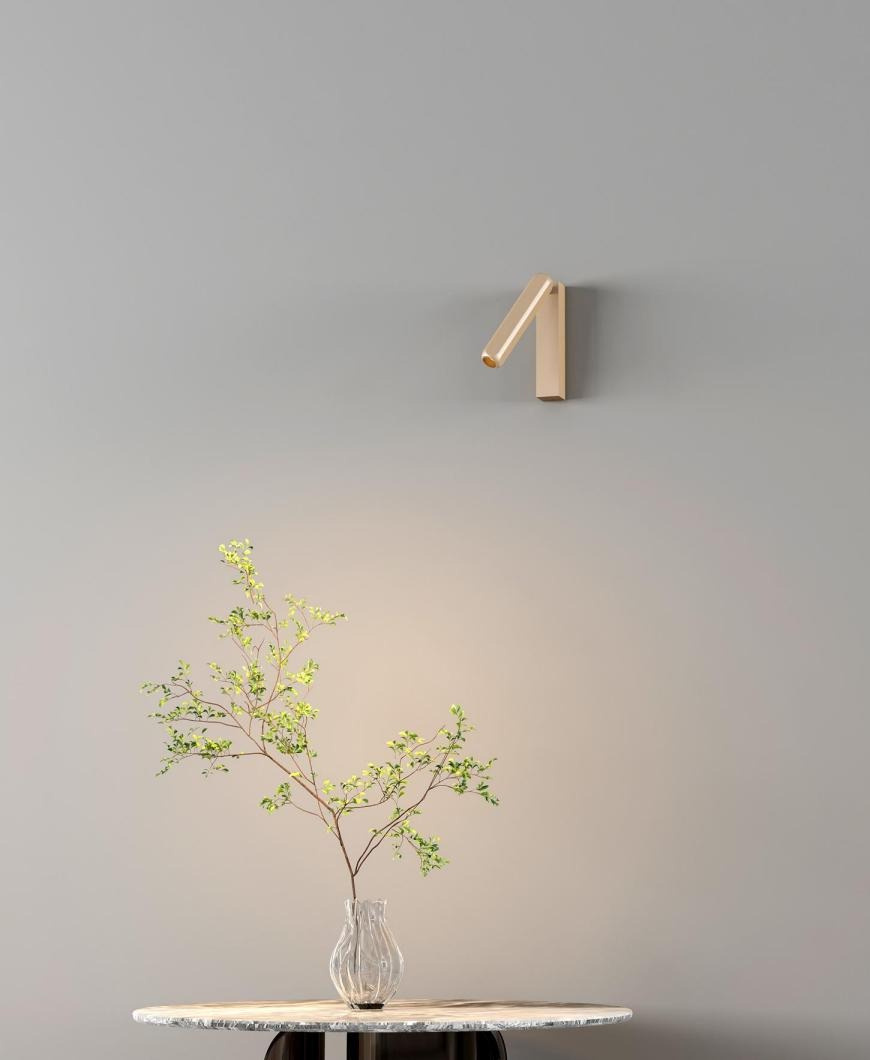
Warm white LEDs (2700–3000K) mimic the tones of sunset — easy on the eye, and they support winding down. Dimmable fixtures let you lower levels through the evening and prepare the body for sleep naturally. Indirect sources — light that reaches you by reflection rather than direct line — build the softest possible atmosphere. And a focused bedside reading light keeps late pages from waking the whole room.
What to avoid
Cool white overhead light after dusk; bare sources in the sightline from the pillow; and a single central fixture doing all the work. Layer two or three small, warm, controllable sources instead — the room will read calmer, and so will you.